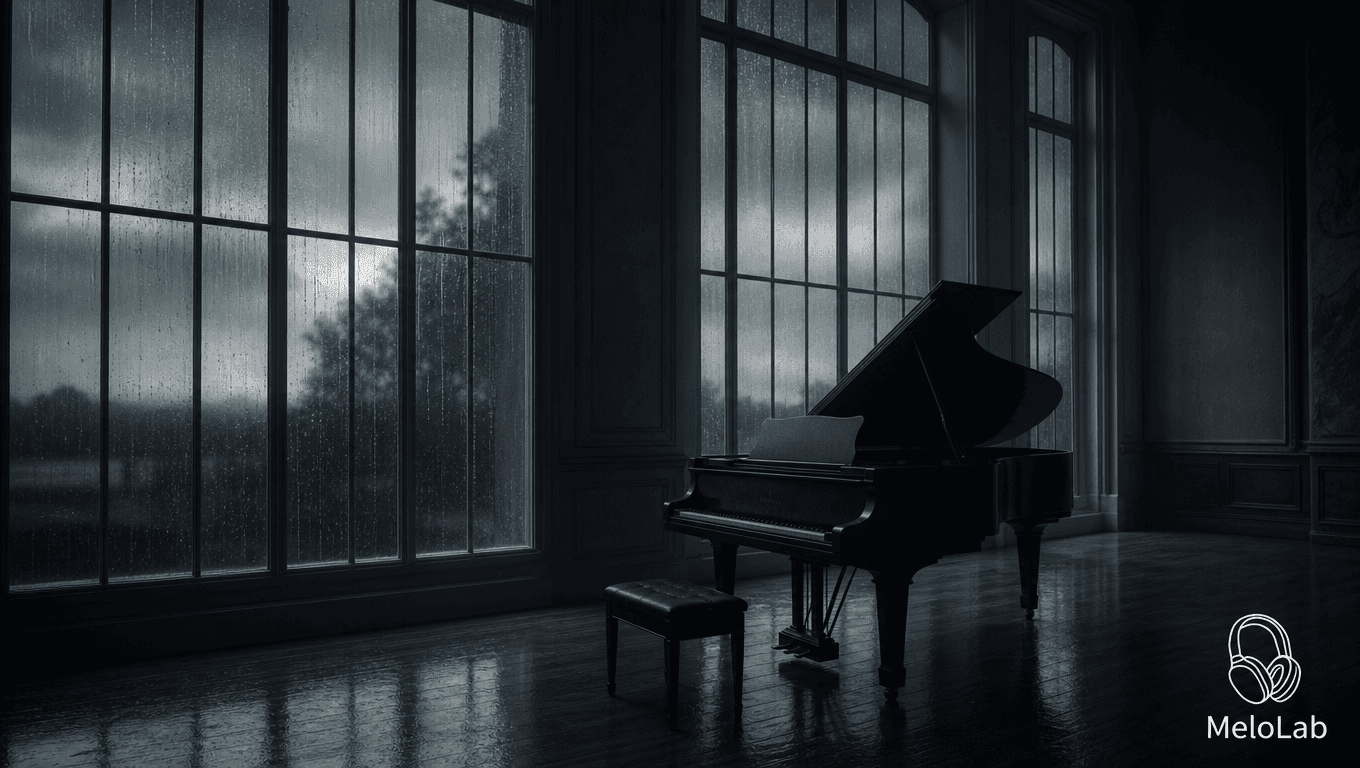
Sad music occupies a unique space in human culture — it is the genre people turn to when they need to process grief, navigate heartbreak, or simply sit with complex emotions. Musically, sad compositions lean on minor keys, descending melodic contours, and tempos between 60 and 90 BPM that mirror the slower rhythm of a heavy heart. The arrangements tend to be sparse, giving each note room to breathe and resonate. Solo piano is perhaps the most iconic instrument for sad music, its sustain pedal allowing notes to linger and dissolve like fading memories. Strings — particularly cello and solo violin — add a vocal-like expressiveness that can reduce listeners to tears. Dynamic swells from whispered pianissimo to anguished fortissimo mirror the unpredictable waves of genuine sorrow.
The demand for sad music extends far beyond personal listening. Film and television rely on sad scores for some of their most powerful scenes — character deaths, farewells, emotional realizations, and reflective montages all depend on carefully composed sad music to land with audiences. Documentary filmmakers use melancholic soundtracks to underscore stories of struggle, loss, and resilience. Content creators need sad background music for memorial tribute videos, pet loss tributes, and emotional storytelling. Podcasters producing true crime, narrative journalism, and personal essay shows use sad instrumental beds to maintain an introspective, serious tone throughout their episodes.
MeloLab's AI sad music generator has been trained to understand the nuances of emotional composition. Rather than simply writing in a minor key, the model shapes phrasing, dynamics, and harmonic tension to produce music that feels genuinely moving. Whether you need a sparse solo piano piece, a lush orchestral lament, or a contemporary sad pop ballad with AI-generated vocals, the generator adapts its approach to match the specific shade of sadness you describe.
To get the most emotionally resonant results, describe the feeling in detail — not just "sad" but "lonely and reflective" or "grief-stricken and powerful." Mentioning specific instruments like solo cello, acoustic guitar, or soft strings helps the AI choose the right palette. If you want vocals, describe the vocal character you imagine — soft and fragile, full and belting, or whispered and intimate — and consider providing your own lyrics for a deeply personal touch.