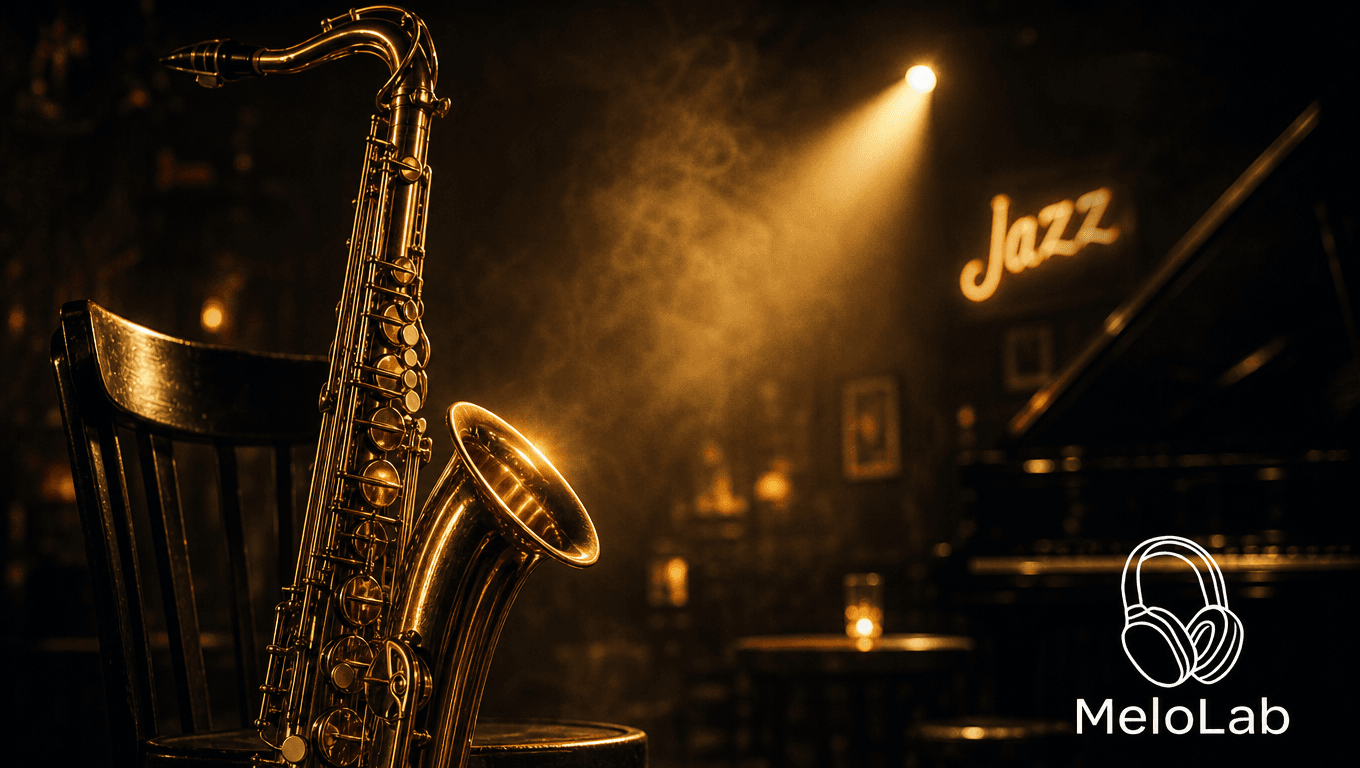
The saxophone occupies a unique place in music — invented by Adolphe Sax in the 1840s to bridge the gap between woodwinds and brass, it has become one of the most recognizable and emotionally charged instruments in the world. Its sound is defined by breath and reed, producing a tone that can be smoky and seductive in one moment and brash and exuberant in the next. The saxophone's physical connection to the player's breath gives it a vocal quality that audiences instinctively respond to, making it the go-to instrument for solos that need to convey passion, longing, or raw energy. From the smoky clubs of 1950s Harlem to contemporary pop production, the saxophone remains a symbol of musical soulfulness.
Saxophone music shines brightest in several genres. Jazz is the saxophone's spiritual home — from Charlie Parker's blistering bebop lines and John Coltrane's spiritual explorations to Stan Getz's cool, velvety tone and Kamasi Washington's expansive modern vision, the instrument has been at the forefront of jazz innovation for nearly a century. Smooth jazz elevated the saxophone to a starring role in the 1980s and 1990s, with artists like Kenny G, David Sanborn, and Sade's featured players creating warm, melodic tracks that defined an entire aesthetic of sophisticated, late-night listening. R&B and soul have long used saxophone for both hooks and atmosphere — think of the opening riff of "Careless Whisper" or the honking baritone solos in classic Motown recordings. Funk and pop continue to deploy saxophone for everything from tight horn stabs to show-stopping solos.
MeloLab's AI saxophone music generator has learned from a broad corpus of saxophone performances across jazz, R&B, funk, and pop styles. The model captures the instrument's characteristic breathiness, vibrato, and tonal variation — from the warm, breathy tone of a tenor saxophone playing a jazz ballad to the bright, cutting attack of an alto sax in a funk arrangement. When you describe the mood and style, the AI composes an original saxophone piece with authentic phrasing and rhythmic feel.
To produce the best saxophone tracks, include specifics about the saxophone type and style in your prompt. "Warm tenor saxophone with breathy tone" differs from "bright alto sax with sharp articulation." Describe the accompaniment — "saxophone with piano trio" creates a jazz context, while "saxophone with synth pads and drum machine" leans into smooth R&B territory. Mentioning the emotional character is especially important for saxophone: "sultry and intimate" versus "energetic and punchy" will shape the phrasing and dynamics dramatically. Reference artists or songs for style calibration — "in the style of Stan Getz bossa nova" or "careless whisper-style pop sax hook" — and specify the tempo to set the groove.