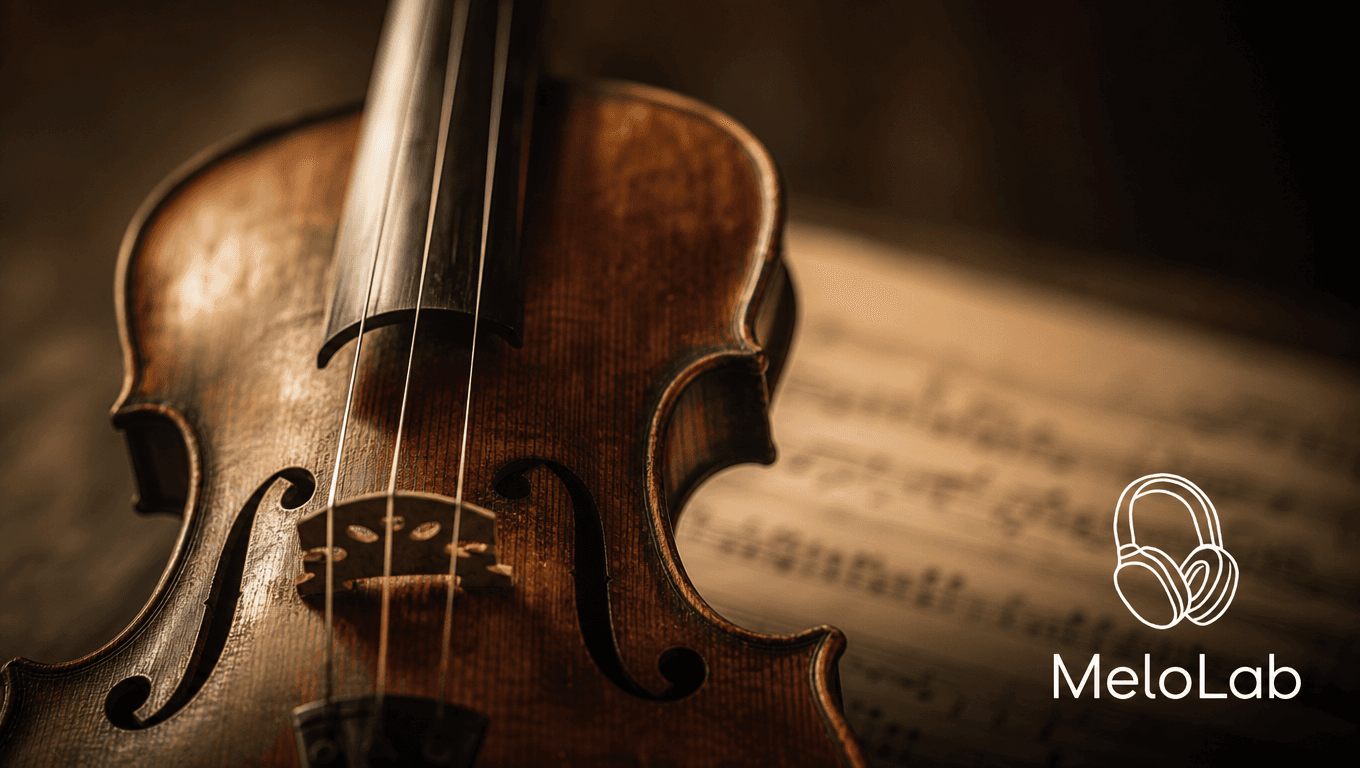
The violin is one of the most expressive instruments ever created, capable of producing tones that range from heartbreakingly tender to thrillingly virtuosic. Its singing quality — born from the friction of horsehair on steel strings, amplified through a carved wooden body — allows it to mimic the human voice in ways few instruments can match. With a history spanning over four centuries, the violin has been central to Western art music and has also found deep roots in folk traditions across Ireland, Scotland, Eastern Europe, India, and the Americas. Its capacity for vibrato, dynamic shading, and bowing articulation gives it an emotional directness that has made it indispensable in classical concert halls, film scoring studios, and folk sessions alike.
Violin music flourishes across remarkably diverse genres. In classical music, the violin is the undisputed king of the orchestra — from Bach's unaccompanied sonatas and partitas, which remain among the greatest achievements in all of music, to the Romantic concertos of Tchaikovsky, Brahms, and Mendelssohn that showcase the instrument's full dramatic range. Celtic and folk fiddle traditions transform the violin into a lively dance instrument, with fast bowing, ornamentation, and modal melodies driving jigs, reels, and airs. Cinematic string arrangements rely heavily on the violin for emotional impact — a solo violin line over a bed of strings and piano can elevate a film scene from ordinary to unforgettable. Neoclassical and ambient compositions have embraced the violin's ethereal side, with artists creating meditative, layered string textures.
MeloLab's AI violin music generator draws on a deep understanding of violin technique and repertoire to create original compositions with realistic bowing, vibrato, and phrasing. The model recognizes the difference between a Baroque ornamented line and a Romantic legato melody, between a Celtic reel and a cinematic slow build. When you describe what you need, the AI generates violin music that captures the instrument's expressive nuances — from the attack of the bow on the string to the bloom of vibrato on a sustained note.
For the best results, specify the violin style and context in your prompt. "Solo violin with piano accompaniment" produces a different arrangement than "full string section with orchestral backing." Mention the emotional character — "melancholic and introspective" versus "joyful and energetic" — since this shapes phrasing and dynamics. Referencing specific traditions helps: "Irish fiddle reel in D major at 120 BPM" will yield a very different result than "romantic violin concerto movement in A minor." If you are creating film or media music, describe the scene or mood you want to support, and the AI will tailor the violin's dynamics and intensity to match. Do not forget to specify whether you want a solo performance or an ensemble, and whether accompaniment from other instruments is desired.