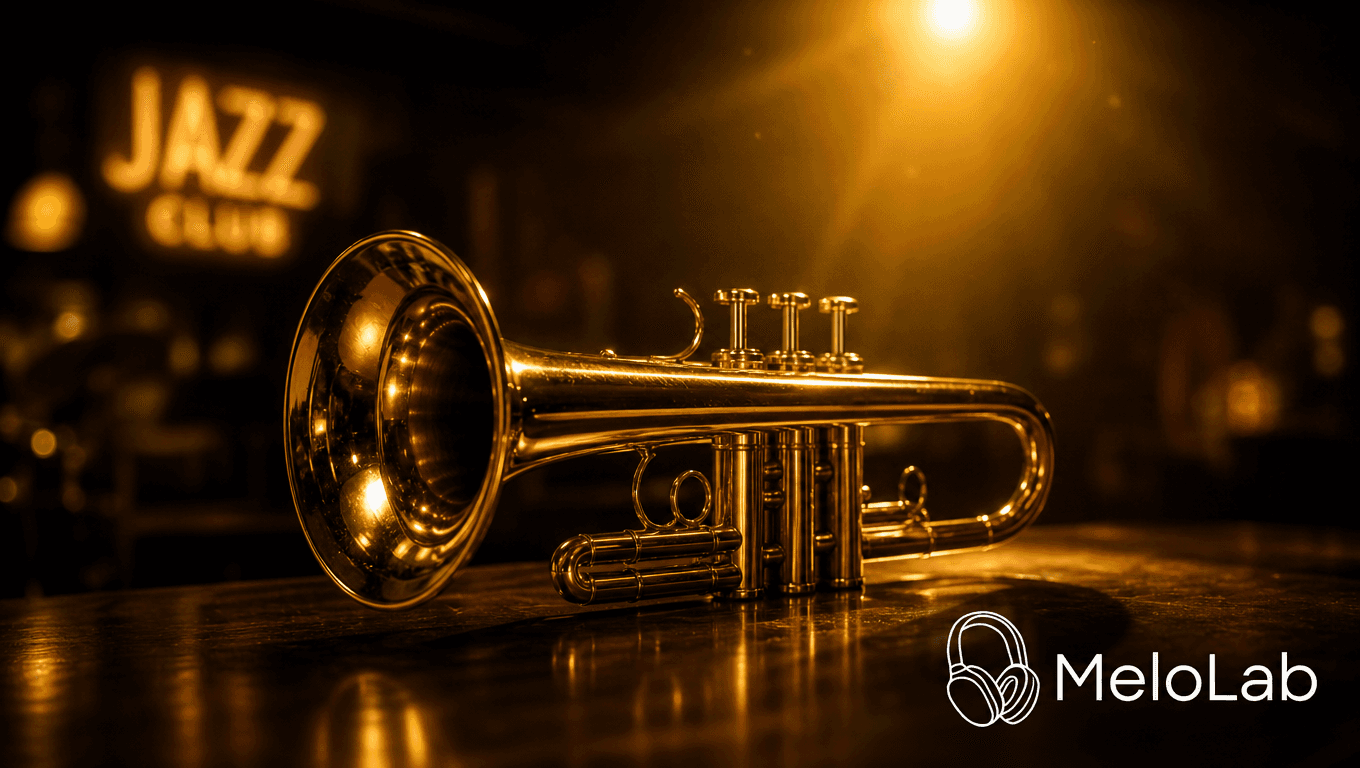
The trumpet is an instrument of brilliance and power — its piercing, radiant tone has announced royalty, called armies to battle, and led jazz ensembles through some of the most thrilling performances in music history. The trumpet's sound is produced by the vibration of the player's lips against a cup-shaped mouthpiece, amplified through a cylindrical bore and flared bell, giving it a natural brightness that cuts through any ensemble. Yet the trumpet is far more than a loud instrument: with mutes, extended techniques, and dynamic control, it can whisper, growl, wail, and sing with a subtlety that surprises those who know only its commanding side. From the ceremonial fanfares of antiquity to the bebop revolutions of mid-century jazz, the trumpet has been a catalyst for musical change and expression.
Trumpet music spans an extraordinary range of genres and traditions. Jazz is the trumpet's modern proving ground — from Louis Armstrong's joyous, pioneering solos and Miles Davis's cool, introspective lyricism to Dizzy Gillespie's bebop pyrotechnics and Clifford Brown's warm, fluid lines, the instrument has defined the sound of jazz in every era. Classical trumpet music encompasses everything from Baroque clarino writing — the impossibly high, brilliant parts Bach and Handel wrote for natural trumpet — to modern concertos that exploit the instrument's full technical and expressive range. Latin music relies heavily on the trumpet for salsa, mambo, merengue, and mariachi, where its bright, cutting tone drives dance rhythms and delivers passionate melodic hooks. Funk and pop deploy the trumpet for punchy horn stabs, soaring hooks, and tight unison lines in horn sections.
MeloLab's AI trumpet music generator captures the instrument's diverse voices with realistic articulation, brightness, and dynamic control. The model understands the difference between an open jazz trumpet solo with Harmon mute and a full orchestral trumpet section playing a ceremonial fanfare. It generates original trumpet performances with the phrasing, tonguing, and dynamic shaping that give the instrument its characteristic vitality.
For the best trumpet music, specify the genre and playing style. "Muted bebop trumpet with cup mute over piano trio" produces a very different track than "full orchestral trumpet section with timpani and horns." Mention the mute type if relevant — cup mute, Harmon mute, plunger mute, or straight mute each dramatically alter the tone. Describe the dynamic character: "soft, intimate ballad playing" versus "bold, powerful fanfare with brilliant high register." Include tempo and any stylistic references to jazz eras, classical periods, or Latin traditions. If you need a complete arrangement, specify whether the trumpet should be solo, part of a horn section, or featured over a rhythm section.