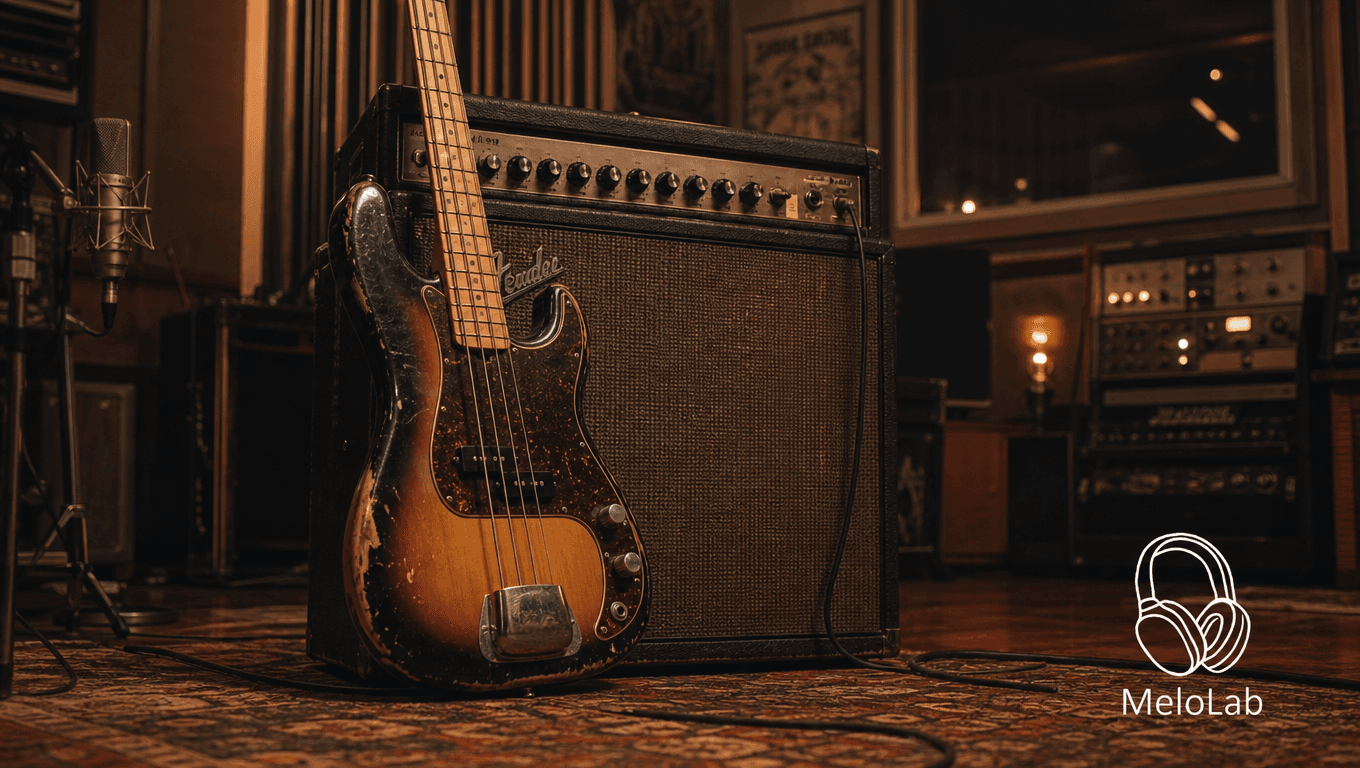
The bass is the foundation of modern music — the instrument that bridges rhythm and harmony, connecting the drums to the rest of the band and giving a song its sense of weight, depth, and movement. Whether it is the warm resonance of an upright bass walking through jazz changes, the aggressive punch of a Fender Precision driving a rock anthem, or the sub-rattling depths of an 808 pattern shaking a club sound system, the bass line is what makes people move. Great bass playing is about what you play and, just as importantly, what you leave out. The space between notes, the ghost notes that add funk, the slide into a downbeat — these are the details that separate a groove that breathes from one that feels mechanical.
Bass lines take on distinct characters across genres. Funk bass is perhaps the most technically flamboyant, with slap-and-pop technique, syncopated rhythmic patterns, and tight interplay with the drums creating an irresistibly danceable pocket. Players like Larry Graham, Bootsy Collins, and Flea turned the bass into a lead voice while never abandoning its rhythmic role. Jazz bass — particularly the upright — provides both harmonic foundation and rhythmic momentum through walking lines, arco solos, and interactive comping behind soloists. Rock bass ranges from simple root-note pounding to melodic, driving lines that carry the chord progression while locking in with the kick drum. Hip-hop and electronic music have reinvented the bass entirely with 808 sub-bass, Reese bass, and synthesized low-end that prioritizes frequency and texture over traditional note-based playing.
MeloLab's AI bass music generator understands these genre-specific roles and creates bass lines that serve the song rather than simply filling the low end. The model produces bass tracks with realistic timing, ghost notes, and dynamic variation that create a genuine groove. Whether you need a simple, supportive bass line or a flashy slap showcase, the AI generates original bass performances that sound authentic and musical.
For optimal results, specify the bass type and style in your prompt. "Upright acoustic bass" versus "electric bass guitar" versus "808 sub-bass synth" will produce vastly different sounds. Describe the technique — "fingerstyle walking bass," "slap and pop," "pick-style driving eighth notes" — since this determines the articulation and feel. Include the genre context and tempo, as a walking jazz bass at 120 BPM and a trap 808 at 140 BPM are entirely different beasts. If you are generating a bass line for an existing project, describe the harmonic context — "bass line in A minor following a i-IV-V progression" — and specify whether you want the bass to be supportive and minimal or melodic and prominent.