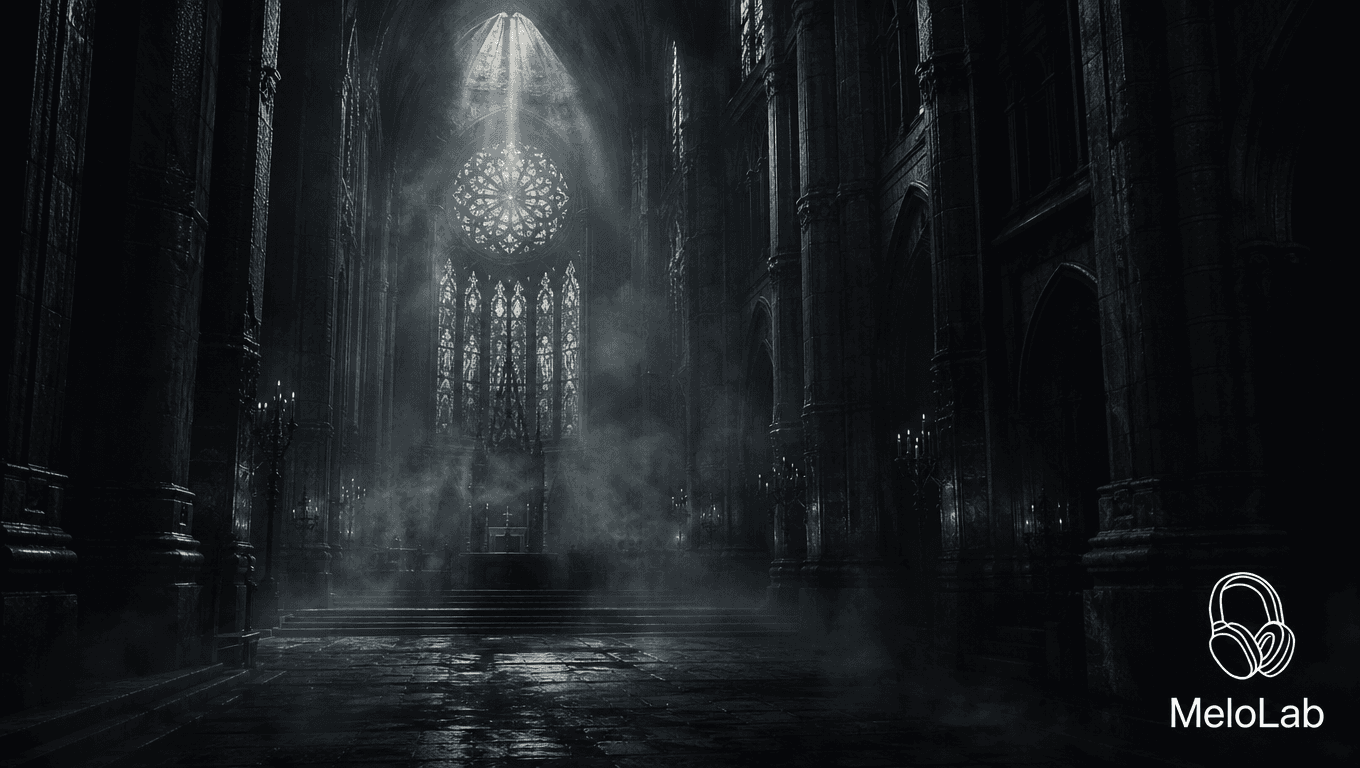
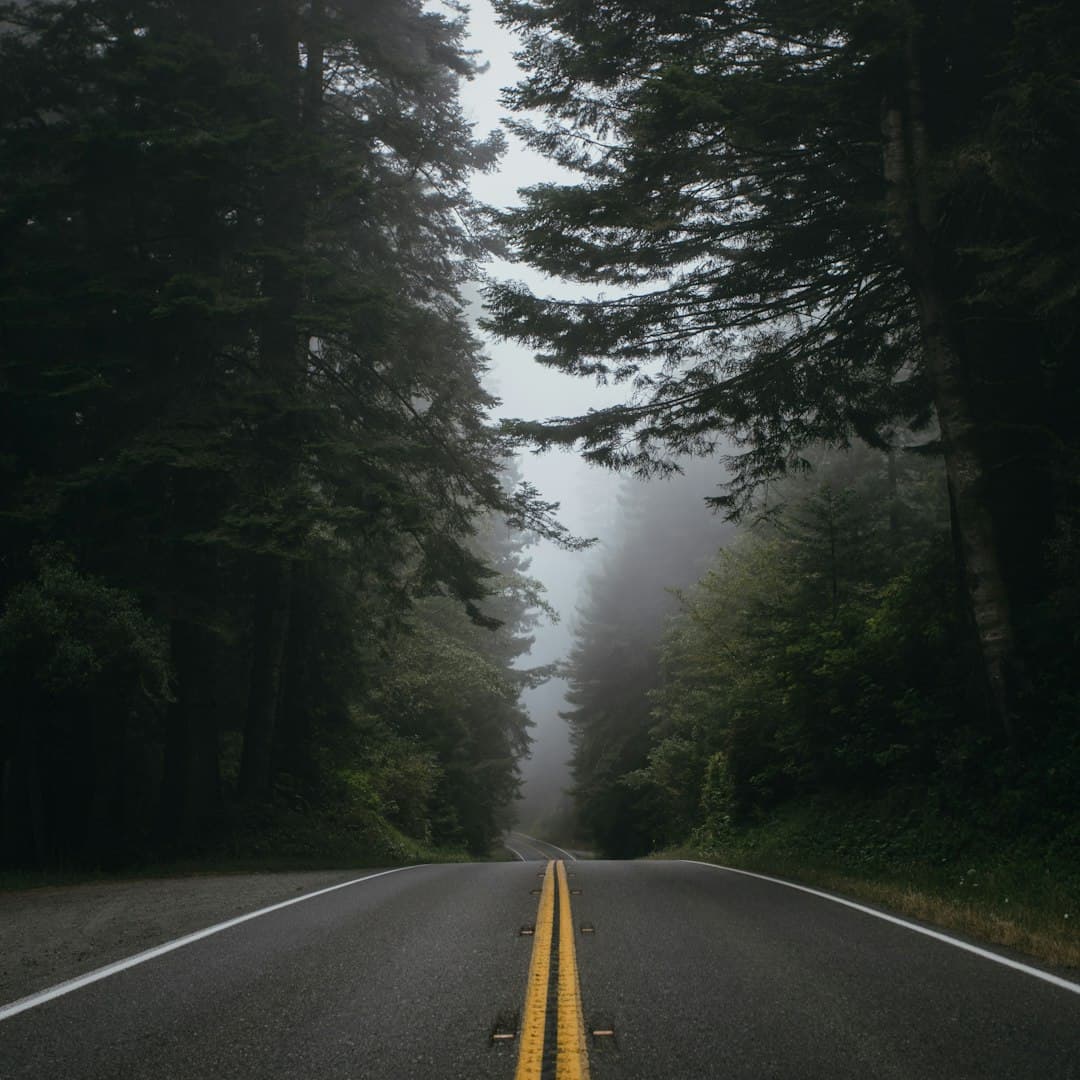
Dark music exists in the shadowy intersections of atmosphere and tension. It is defined not by melody but by texture — deep drones, dissonant harmonies, and low-frequency rumblings that create an oppressive sense of unease. The harmonic language of dark music favors minor keys, diminished intervals, and tritone relationships that traditional music theory once called the "devil's interval." Tempos tend to be slow to moderate, allowing sounds to linger and decay in unsettling ways. Reverb is used liberally to create vast, cavernous spaces, while production techniques like reversed audio, granular synthesis, and extreme pitch shifting transform ordinary sounds into something alien and threatening. The result is music that lives in the background of your awareness, slowly tightening its grip on your nerves.
Dark music serves critical roles across entertainment and media. Horror film directors depend on dark atmospheric scores to sustain dread between jump scares — the genre's most effective moments often come not from what you see but from what the music makes you feel is about to happen. Video game sound designers use dark ambient loops for survival horror levels, dungeon exploration, and boss encounters where the environment itself should feel hostile. True crime podcasters rely on dark underscore music to maintain the serious, unsettling tone their storytelling demands. Dark electronic producers in genres like dark techno, dark ambient, and industrial create immersive listening experiences for dedicated audiences who find beauty in the sinister.
MeloLab's AI dark music generator specializes in crafting atmosphere and tension. Rather than relying on cheap scare tactics, the model builds layered textures of drones, dissonance, and evolving soundscapes that create genuine psychological unease. The AI understands how to use silence and space as effectively as sound, producing compositions that breathe with an ominous, unpredictable rhythm that keeps listeners on edge.
For the most effective dark tracks, describe the specific atmosphere you need — "abandoned hospital hallway," "ritual in a dark forest," "surveillance footage of something unseen." Mention whether you want pure dark ambient, dark electronic beats, or a hybrid orchestral-electronic approach. Specifying elements like sub-bass drones, metallic textures, or reversed sounds gives the AI more specific tools to work with, and describing the intensity level — from subtle unease to full-blown terror — helps calibrate the density of the composition.