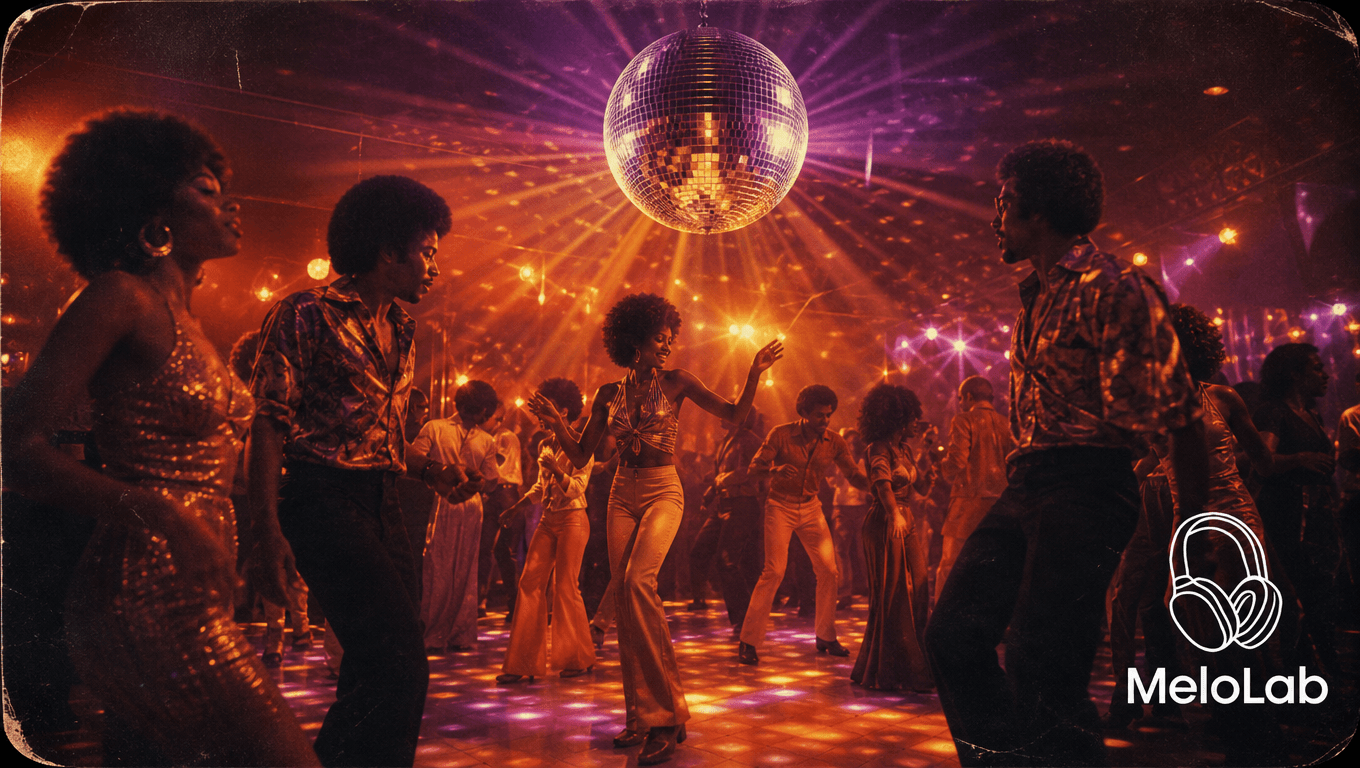
Groovy music is all about the pocket — that elusive rhythmic sweet spot where bass, drums, and rhythm instruments lock together so tightly that the music generates its own physical momentum. The foundation of a groove is syncopation: rhythmic emphasis on off-beats, upbeats, and unexpected positions within the bar that create a sense of swing and forward lean. The bassline is usually the star — whether it is a slapped funk bass, a plucked disco bass, or a warm neo-soul bass, it provides both the harmonic foundation and the primary rhythmic hook. Guitar parts in groovy music use rhythmic chopping — short, percussive strums on the off-beats known as "skanks" or "chucks" — that add texture and syncopation. Horn sections provide punctuated stabs that accentuate rhythmic hits. Tempos typically range from 95 to 120 BPM, fast enough to generate energy but not so fast that the groove loses its relaxed, confident swagger. The result is music that makes it nearly impossible to sit still.
Groovy music has broad appeal across lifestyle and entertainment content. Fashion brands and lifestyle content creators use groovy tracks for lookbooks, outfit videos, and aesthetic mood content where the music needs to feel effortlessly cool. Food and cooking content creators pair groovy background music with recipe videos, restaurant tours, and culinary travelogues — the rhythmic energy makes cooking look fun and dynamic. Event planners and hospitality venues use groovy playlists for cocktail hours, gallery openings, and upscale social events where the vibe should be sophisticated but not stuffy. Fitness instructors use mid-tempo groovy tracks for dance fitness classes and warm-up routines. YouTube creators use groovy music for "day in the life" vlogs, unboxing videos, and product reviews where the tone should be upbeat but relaxed.
MeloLab's groovy music generator understands the mechanics of rhythm and pocket that make music truly groove. The AI programs basslines with authentic syncopation, guitar parts with rhythmic chops, and drum patterns with the subtle push and pull that separates a stiff beat from a genuine groove. It draws from funk, soul, disco, and neo-soul traditions to create tracks that feel natural, rhythmic, and irresistibly danceable.
For the grooviest results, describe the specific vibe — "70s funk dance floor," "modern neo-soul lounge," "disco house party." Mentioning bass style (slap, fingered, synth), guitar approach (chops, wah-wah, clean), and drum character (tight, heavy, brushed) helps the AI craft the right pocket. Include a tempo preference and describe whether the track should build energy or maintain a steady groove throughout.